Load Pin Application
Leave a message
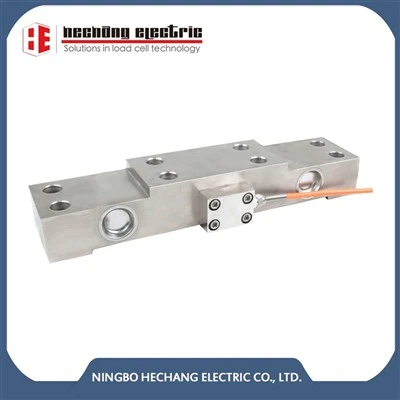
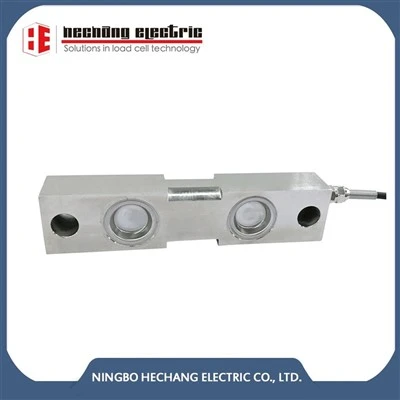
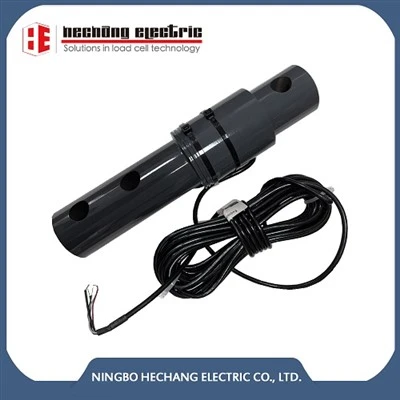
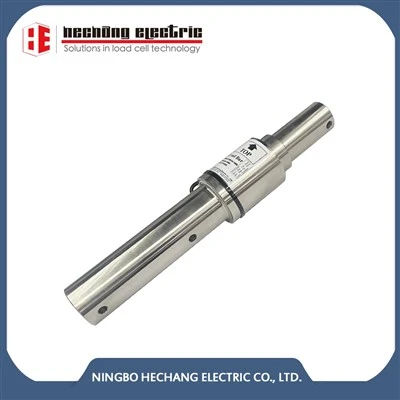
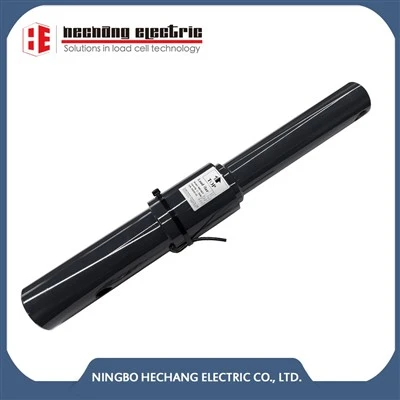
A load pin, also called a load cell pin or pin-type load cell, looks like a standard pin and can directly replace a mechanical connecting pin. Strain gauges bonded inside a bore in the pin form a Wheatstone bridge to measure shear force, outputting an mV/V signal. After amplification or indication, it displays load, weight, or tension.
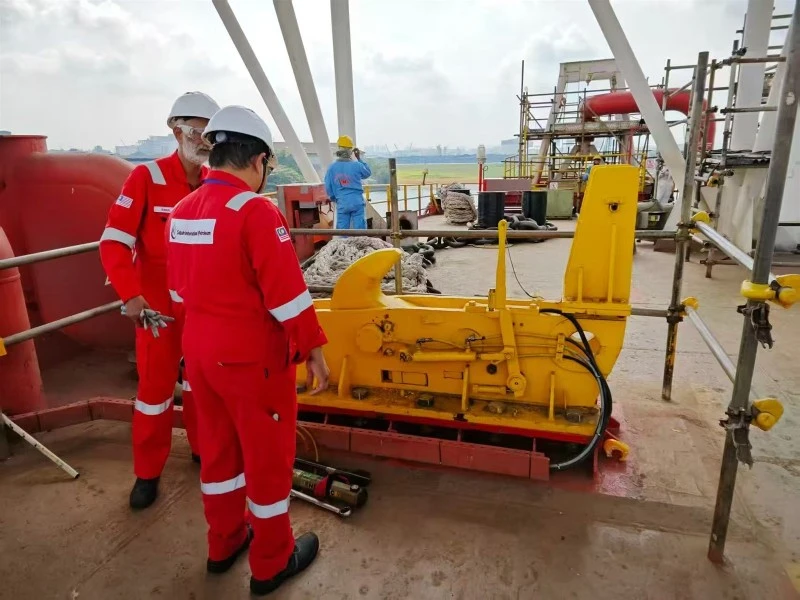
Its advantages include compact size, easy installation, and no modification to the original structure, making it ideal for space-limited or retrofit applications. It is widely used in cranes, winches, hooks, shackles, cable tension monitoring, port machinery, construction equipment, agricultural machinery, and overload protection systems. Some models use redundant dual bridges for higher safety and reliability.
During installation, the load direction must match the calibrated direction, and anti-rotation measures should be taken to protect the cable outlet. Selection depends on capacity, pin dimensions, material, output sensitivity, IP rating, temperature range, and safety certification. Regular calibration, corrosion protection, and connection checks ensure long-term stability.